Accessible Travel in Tunisia
- Country Tunisia
- Guide Accessibility
- Reviewed 20 August 2026
- Length 2 min read
Credit Habib M'henni, CC BY-SA 4.0, via Wikimedia Commons
Last reviewed 20 August 2026
Tunisia splits more sharply than most countries between what is manageable and what is not, and the split does not follow the line a visitor might expect. The beach resorts and the modern parts of Tunis are among the easier places in North Africa. The things this cluster is mostly about are among the harder.
Where the difficulty is
The archaeological sites are the problem, and it is not a failure of provision so much as a fact about ruins. Dougga is spread across a hillside at 571 meters with paths of loose stone and no handrails. Carthage is scattered over several separate enclosures with uneven ground in each. Kerkuane is excavated house walls at ankle height on a cliff top. None of these can be made step free without ceasing to be what they are, and none of them has been.
The medinas are the second problem, for the reason they are everywhere in the Maghreb: narrow lanes, worn and uneven paving, steps without warning, and no vehicle access to most addresses.
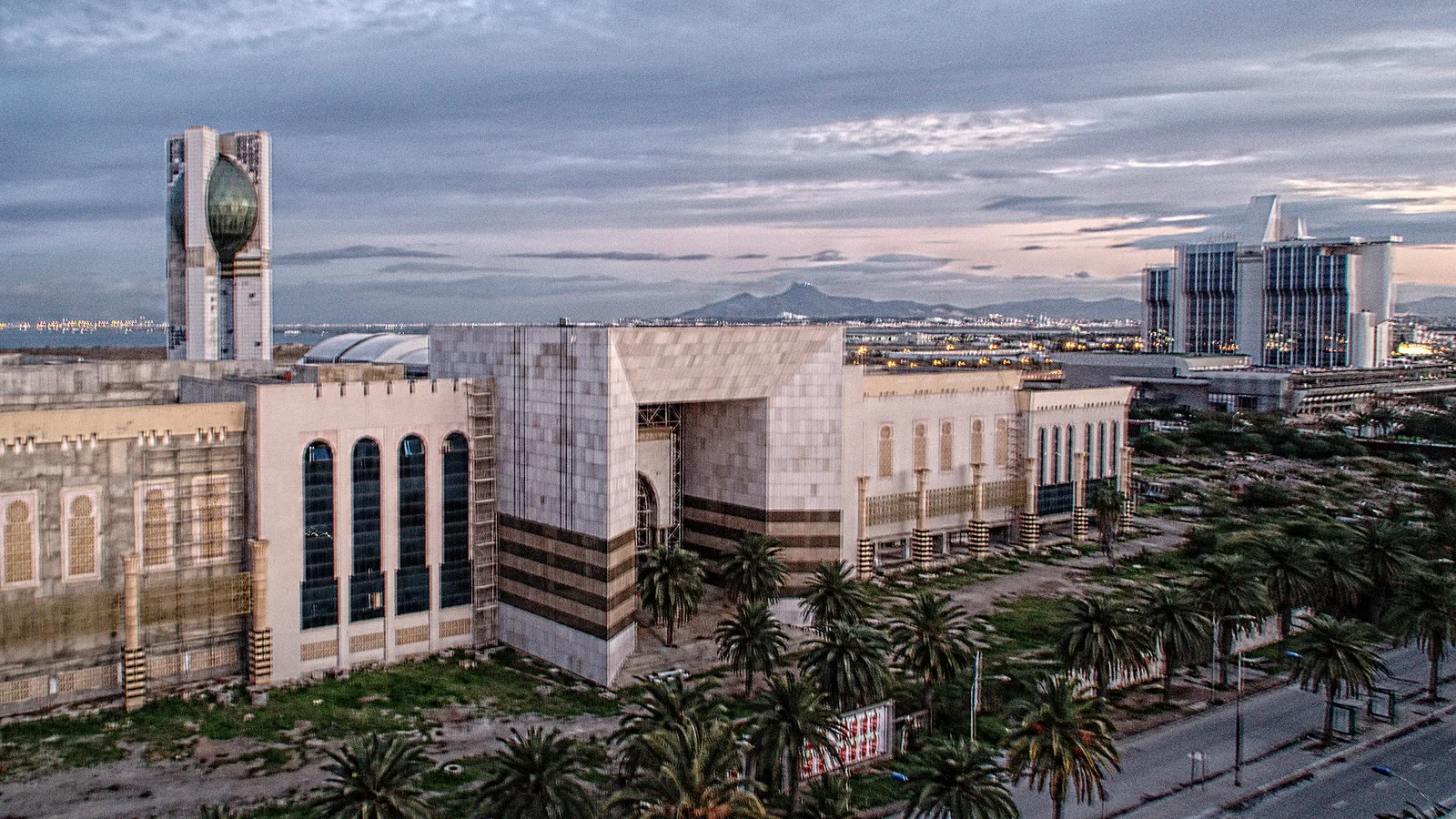
Set against that, the modern country is straightforward. Coastal resort hotels are largely purpose built, level and equipped. Tunis has a street level light metro with level boarding, wide boulevards, and modern public buildings such as the Cite de la Culture built to contemporary standards. The airport is small and manageable.
What to settle before booking
Ask the property directly. A listing that says accessible is describing a category rather than a doorway.
- Whether your hotel is a modern coastal property or a medina guesthouse. The difference is decisive.
- Whether the sites on your itinerary have any level route at all, and ask the site rather than the operator.
- How you will cover ground between sites, since taxis are everywhere and adapted vehicles are not.
- Whether a louage is realistic for you, because it is a minibus with a high step and a fixed departure.
- That your insurance covers your equipment as well as your treatment.
- That your prescription medication is in original packaging with a doctor's note.
Traveling with a group
Tunisia rewards a planned itinerary more than most countries here, because the difficulty is concentrated in specific places at specific moments: getting into a site, getting across a medina, getting from a louage station to a door. A driver who knows which gate is nearest and companions who can manage a threshold together turn most of that from an obstacle into an inconvenience.