Heritage
Roots Tourism in West Africa
Ghana and Senegal are where roots tourism is most developed. What each one offers, how the two differ, and what to read before booking either journey.
- Category Heritage
- Reviewed 18 September 2026
- Sources 1
- Length 3 min read
Roots tourism is the part of diaspora travel that names a place rather than a subject. A traveler going to a museum of the transatlantic trade is doing one thing. A traveler going to the specific stretch of coast their family was taken from is doing another, and the second is what this page is about.
Two countries dominate the English-language version of this journey, for reasons that are partly historical and partly a matter of what each government has chosen to build.
Ghana
Ghana has the most developed apparatus of any country on the continent for visitors making this journey. The Year of Return in 2019 was a state program, and what it created did not stop when the year did: organized routes, naming and welcome ceremonies, and grants of citizenship and long-term residency to people of African descent who applied.
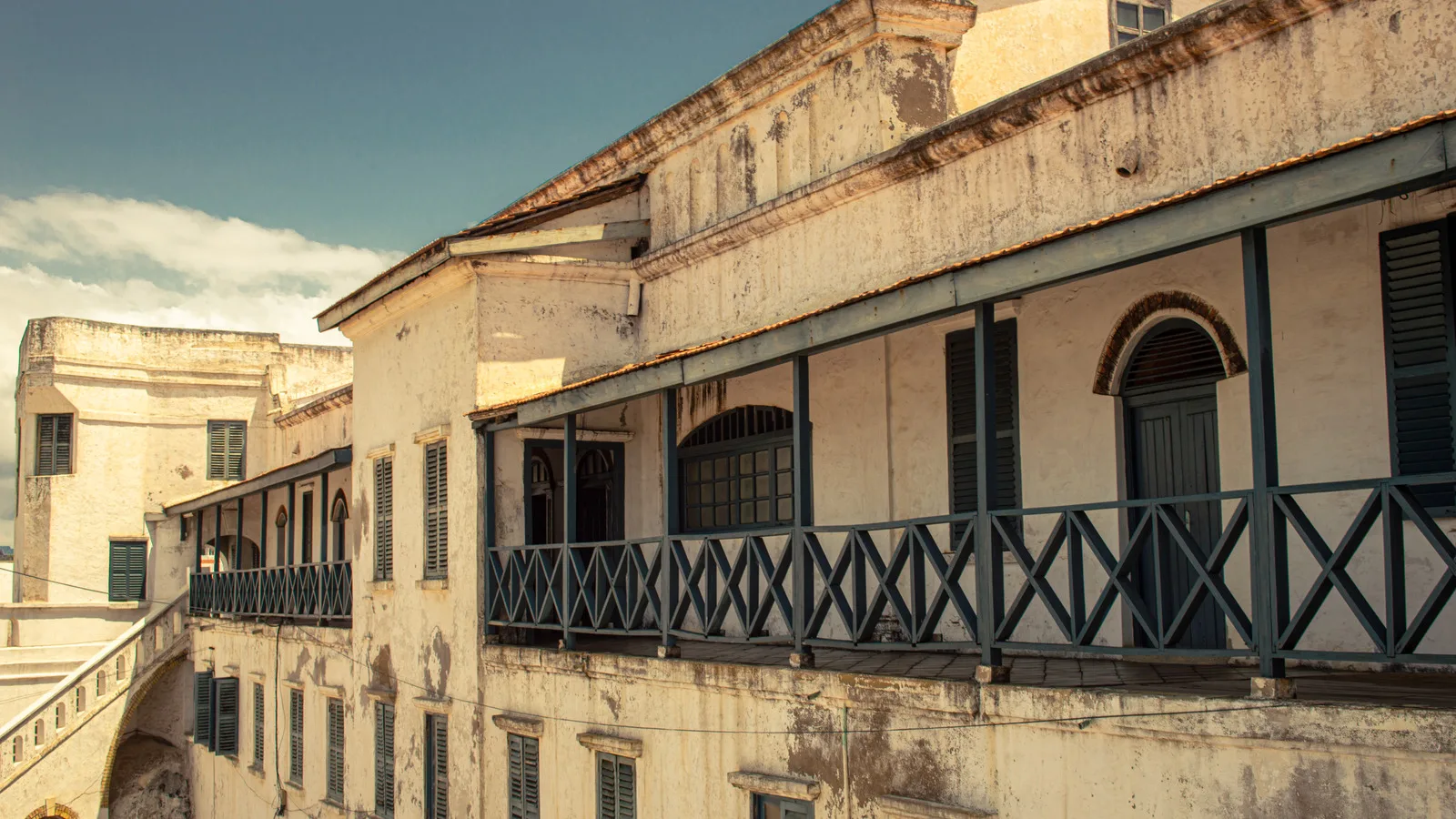
The sites are concentrated on the central coast and are close enough together to see in sequence, which is both the convenience and the difficulty. Cape Coast and Elmina are an hour apart. Assin Manso, inland, is where enslaved people were washed before being taken to the coast, and its subject is the most confronting of the three, which is worth weighing when you decide what order to see them in.
Senegal
Senegal's version is smaller, older and less organized around the visitor, and for some travelers that is the point. Gorée, off Dakar, is the site most people arrive knowing about. It is reached by ferry, which imposes its own pace on the day, and it is a lived-in island rather than a preserved one.
The scholarly argument about how many people passed through Gorée specifically is long-running and unresolved, and it does not settle what the island is. The country page covers what is known and what is contested, because a visitor who has only read one side of it will be surprised by a guide who has read the other.
Choosing between them, and why you may not have to
If the trip is about ceremony, reception and a country that has decided this matters, Ghana is the more straightforward answer. If it is about a single site with a long history of being visited for this reason, Senegal is. Neither is the more authentic, and the framing that treats one as authentic and the other as commercial does a disservice to both.
Both sit on the same coast and can be combined, though the flight between them is not always direct and the visa positions differ. Settle the paperwork before the itinerary.
Benin and The Gambia are not yet covered
Two countries belong in this conversation and are not yet on this site. Benin holds the Route des Esclaves at Ouidah; The Gambia has Juffureh and Kunta Kinteh Island and a long history of visitors arriving because of them. Neither has a country cluster here yet, and this page names them rather than implying the subject stops at two countries. Until it does, this publication is not the place to plan either journey.
Ghana and Senegal, page by page
Ghana
- Ghana and Diaspora Reconnection
- Asante Traditional Buildings
- Assin Manso
- Cape Coast Castle
- Elmina Castle
- Tongo Tengzuk
Senegal
Sources
Background on the international framework for memory and heritage of enslavement. Each country and site page carries its own sources.