Heritage
Why Heritage Travel to Africa Matters
Heritage travel is not sightseeing with a heavier subject. It asks something of the traveler that ordinary travel does not, and it is worth knowing what, before you go.
- Category Heritage
- Reviewed 28 July 2026
- Sources 3
- Length 3 min read
Credit Omoniyi David, via Unsplash
Every year people fly to Ghana, Senegal, Benin and Tanzania to stand in places their families were taken from, or were taken to, or that they have only ever read about. They are not going to relax. Heritage travel is a category of its own, and treating it as sightseeing with a heavier subject does a disservice to everyone involved.
This is a plain account of what it involves. It is not an argument that you should go.
It is not a holiday, and the itinerary should not pretend otherwise
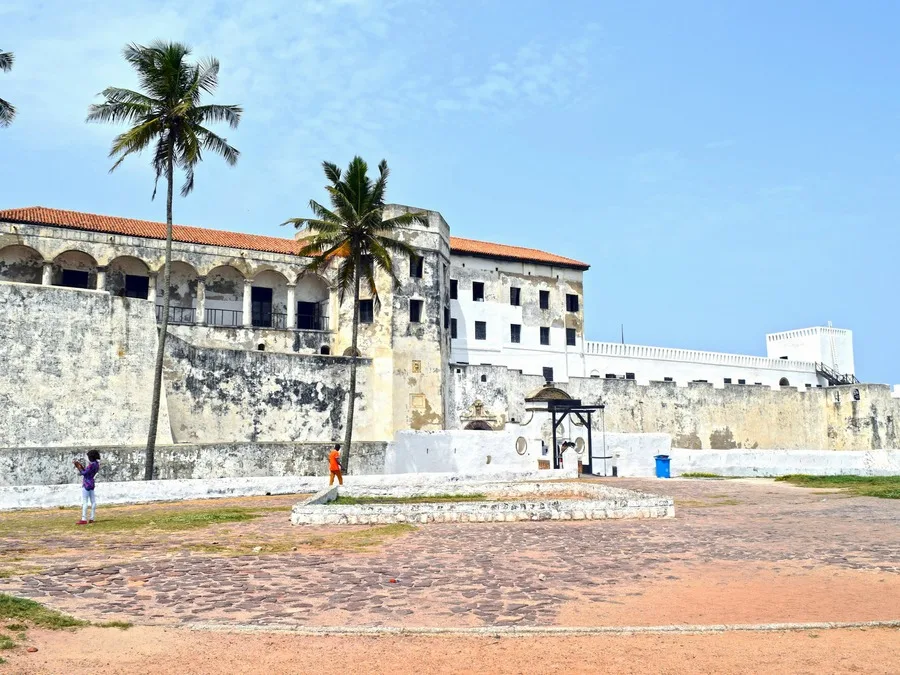
A day that includes a slave fort is not a day that also works as a beach afternoon. The dungeons at Elmina and Cape Coast are small, dark rooms with low ceilings, and people who have prepared for years still come out of them unable to speak. Guides at these sites are used to this. Tour schedules frequently are not.
If you are planning a heritage itinerary, look at what follows each difficult morning. An afternoon with nothing in it is not a gap in the schedule; it is part of the schedule.
The question is not whether you will be moved. It is whether the trip you have booked leaves you anywhere to put it.
The history is contested, and you will hear it argued
Heritage sites are not neutral. Who built a monument, who profited from a fort, which local authorities were complicit and which resisted: these are live questions, and different guides at the same site will answer them differently. That is not a flaw in the guiding. It reflects genuine scholarly and political disagreement, and a guide who flattens it is doing you no favors.
Read something before you arrive. Not to arbitrate, but so you recognize an argument when you are standing in the middle of one.
You are a visitor in someone else’s present, not only their past
The most common failure of heritage travel is treating a living country as a memorial. Elmina is a working fishing town. Stone Town is a place people commute through. The staff at a memorial park go home at the end of a shift to lives that have nothing to do with your journey.
Ask before photographing people. Pay for the guide rather than assuming the site fee covers them. Buy from the market next to the monument, not only the shop inside it. None of this is complicated; it is just easy to forget when you are absorbed in your own reason for being there.
What it gives back
Travelers describe two things afterwards, fairly consistently. The first is scale: reading about a place and standing in it are different orders of knowledge, and the second one is difficult to argue with later. The second is specificity: the replacement of a general idea of a continent with a particular street, a particular family name, a particular argument between two guides.
That is what heritage travel is for. Not catharsis, which cannot be scheduled, but detail, which can.